Why Diversity, Equity & Inclusion Matters in Business
Diversity, Equity and Inclusion can sometimes feel like one of those terms everyone uses, but not everyone fully connects with. It can sound corporate, complicated, or even a bit abstract.
But in reality, it’s much simpler and much more human than that.
At its core, DE&I is about people and how they experience the spaces we create.
If you work in business, and especially in industries like events, travel or hospitality, you’re constantly shaping experiences. You’re influencing who feels welcome, who feels comfortable, who feels able to speak up and who doesn’t.
That’s where DE&I really lives. Not in policies or statements, but in everyday moments.
So, what does it actually mean?
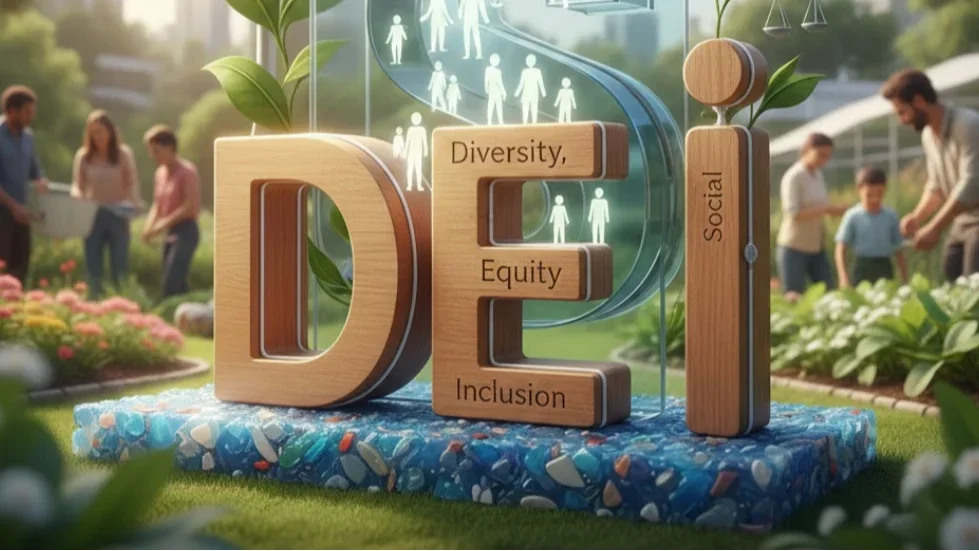
Diversity is about who is there. The mix of backgrounds, perspectives and lived experiences in a room.
Equity is about fairness. It recognises that not everyone starts from the same place, and that sometimes people need different levels of support to have the same opportunities.
Inclusion is about how it feels to be there. Whether people feel respected, listened to, and able to contribute.
And then there’s something that sits just beyond all of that: belonging. That deeper sense that you’re not just included, but genuinely valued and able to be yourself.
You can have diversity without inclusion. You can invite people in without really hearing them. And that’s often where organisations fall short.
Why it matters for business
There’s a growing body of evidence showing that DE&I isn’t just a “nice thing to do” it has a real impact on performance.
Teams that bring different perspectives tend to make better decisions. Workplaces where people feel included tend to see higher engagement, lower turnover, and stronger collaboration.
But beyond the data, there’s something more practical at play.
If people don’t feel comfortable, they don’t contribute fully.
If they don’t feel heard, they stop sharing ideas.
And if they don’t feel like they belong, they eventually leave.
That has a direct impact on any organisation.
The things we don’t always notice
One of the biggest challenges in this space is that a lot of exclusion isn’t intentional.
It shows up in small, everyday ways. The same types of people being chosen for opportunities. Familiar voices being prioritised in meetings. Assumptions being made without even realising it.
This is where unconscious bias comes in. We all have it. It’s part of how our brains work.
The goal isn’t to “fix” ourselves, it’s to be aware of it, and to slow down our decision-making just enough to question it.
Because those small, repeated patterns are what shape bigger outcomes over time.
Inclusion is designed, not added on.
A common mistake is thinking inclusion is something you check at the end.
In reality, it needs to be built in from the start.
Whether it’s how a workplace operates, how an event is designed, or how communication is delivered these decisions all affect who can participate easily and who has to work harder just to be there.
And often, when you make something more inclusive, you improve the experience for everyone.
It doesn’t have to be perfect
One of the biggest misconceptions about DE&I is that you have to get everything right.
You don’t.
This isn’t about having all the answers or saying the perfect thing every time. It’s about being willing to notice, to reflect, and sometimes to adjust.
Most of the time, progress in this space looks small.
A different question asked.
A decision made with a wider perspective.
A moment where someone feels just a bit more comfortable speaking up.
Those moments matter more than big statements.
A final thought
DE&I isn’t a separate initiative; it’s part of how organisations function day to day.
It shows up in who gets opportunities.
In who feels confident contributing.
And in who feels like they truly belong.
You don’t need to overhaul everything overnight. But paying attention really paying attention to how people experience your spaces is a powerful place to start.
Because at the end of the day, this isn’t just about business.
It’s about people.
And everyone wants to feel accepted.
Everyone wants to feel valued.
Our new ESG course Diversity, Equity & Inclusion is now available at just £50 per person. To find out more contact sam.cande@greengage.solutions